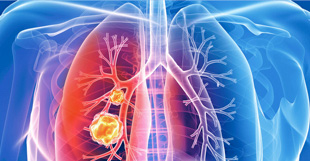
Organization of treatment and rehabilitation in Germany.
Complete medical support.
Complete medical support.





+49 176 17917001
All departments
Germany
Israel
Bavarian clinics are today considered world leaders in treating benign and malignant tumors at any stage.
Specialists at Munich oncology clinics provide the most complete cycle from diagnosis to therapy of oncological diseases, as well as offer opportunities for subsequent rehabilitation and monitoring.
A cancer diagnosis can sound like a death sentence. It is a serious pathology, but in countries with highly developed medicine, particularly in Germany, doctors successfully deal with malignant tumors. Equipment for ultra-precise diagnostics, a staff of qualified and caring specialists, treatment according to modern protocols — all these are the advantages of German medical centers specializing in fighting cancer. The effectiveness of therapy in Germany is 75%. This is higher than the effectiveness of cancer treatment in Israel (72%).

Cancer is a disease caused by cell mutation. Normally, cells grow, divide, age and gradually die, being replaced by new ones. Sometimes, under the influence of unfavorable factors, failures occur in the genetic code — the mechanisms of division and error correction are simultaneously disrupted. Such cells do not die but begin to multiply uncontrollably. As a result, an atypical neoplasm forms — dysplasia. It can increase and spread to neighboring healthy tissues. In this case, we speak of an oncological disease.
A tumor from mutated cells can form in different organs. Based on this criterion, five main types of cancer are distinguished:
Cancer treatment will be more effective if the tumor is detected at early stages of development. This is the main problem of diagnosis and further therapy. Early stages of cancer development are usually asymptomatic. There are no complaints, and the patient can only learn about the disease during a comprehensive examination, which is rarely performed when feeling well.
Even in the absence of external symptoms, global changes occur inside. The DNA of affected cells continues to mutate. Some tissues change so much that doctors cannot determine their original structure.
A malignant tumor needs nutrition. Its cells synthesize and secrete special substances that promote rapid branching of the capillary network. This, in turn, provides unlimited access to resources, which provokes a high rate of atypical cell division and their growth into neighboring healthy tissues.
Furthermore, individual cells separate in the tumor, capable of detaching from the main focus and initiating the growth of neoplasms in a new environment. They move through the circulatory or lymphatic system and easily hide from the immune system, as they are not recognized as foreign bodies. This is how metastases form — secondary lesions. The more of them, the more complex and longer the cancer treatment will be.
Cancer diagnosis based solely on clinical presentation is not performed. This disease does not have pronounced symptoms, however, doctors in German clinics always pay attention to the patient's condition. A combination of four signs may indirectly indicate the presence of a malignant tumor:
Not every type of cancer can be identified by external symptoms. Melanoma is the easiest to diagnose. With this disease, even in the early stages, atypical lumps can be found on the skin surface — sores, rough areas, dark or too light nodules.
During preventive examinations, other types of cancer are successfully detected at early stages:
Other types of cancer are more difficult to diagnose. Symptoms appear already at late stages when the tumor reaches impressive sizes and becomes inoperable. This group includes lung damage, which is not always possible to see during fluorography once a year.
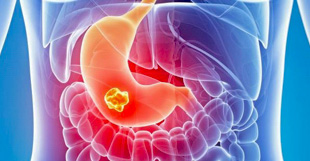
Another difficult case is stomach cancer. The tumor can masquerade as chronic gastritis or peptic ulcer disease for a long time. Some types of cancer do not have specific symptoms. Thus, leukemia is diagnosed only with a biochemical blood test, and brain cancer — with an MRI.

Cancer diagnostics in Germany is a complete set of examinations carried out in the shortest possible time. Based on the data obtained, treatment is prescribed. Available to patients:
Cancer treatment in Germany is an individual plan for each patient with oncology. German clinic doctors study the examination results provided upon admission and, if necessary, conduct repeat diagnostics. German doctors accurately identify even rare types of tumors, which increases the chances of successful treatment.
Treatment of malignant neoplasms in German clinics is a good chance for complete recovery. German medical centers use traditional methods of therapy — surgical excision of tumors and chemotherapy, however, the emphasis is on innovative methods that help avoid complications.

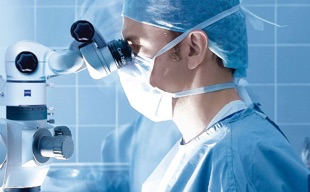
Sometimes excision is the only way to remove a malignant neoplasm. This is a radical but effective way to fight a tumor. In Germany, minimally invasive, safe operations are performed that help avoid long recovery and preserve the affected organ.
All operations in German clinics are performed under medical sedation, so they are completely painless. Surgical treatment is monitored by a camera that transmits images to a monitor. Minimally invasive techniques can be used for cancer diagnostics. In this case, the doctor takes a small tissue fragment for further study.

Cancer treatment in Germany is carried out using effective drugs that suppress tumor growth and completely destroy neoplasms. The therapy regimen in German clinics is selected individually for each patient. A unique opportunity for those undergoing treatment in Germany is the use of experimental drugs within current protocols.
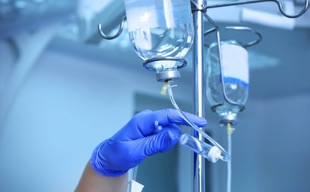
In most countries, anti-tumor drugs are administered intravenously. This method is effective but has many side effects. Active substances spread throughout the body, leading to unpleasant symptoms:
Cancer treatment in Germany is an opportunity to undergo a course of gentle chemotherapy, when anti-tumor drugs are administered directly to the lesion for maximum effectiveness and reduced likelihood of side effects. Medical centers perform:
Gentle treatment receives good reviews from patients at German clinics. Many of them were able to get rid of malignant neoplasms without resorting to open surgery.
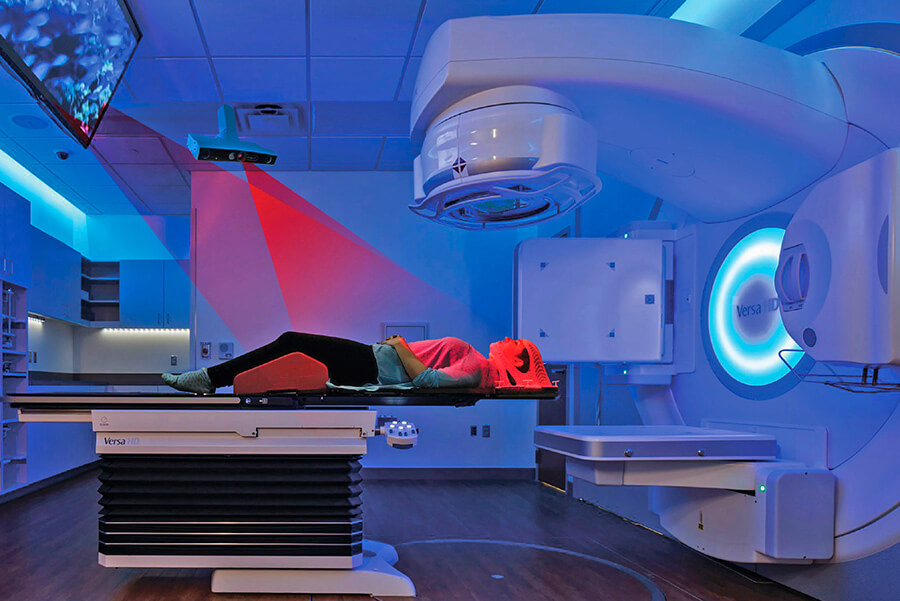
In Germany, preference is given to the latest methods of cancer treatment. Clinics are equipped with modern equipment, and all doctors are proficient in biotherapy, genetic engineering, and molecular genetic therapy methods.
Doctors at medical centers in Germany use radiation therapy methods that achieve high results. The following are used to fight cancer:
In addition to modern methods of radiation therapy, German clinics use alternative innovative methods for oncology, including DOTATATE therapy using radioactive isotopes that irradiate tumor cells, as well as photodynamic therapy that allows destroying pathological neoplasms using a laser beam.
In Germany, you can receive treatment using the latest methods that are still rarely available in clinical practice.

Immunotherapy
Use of new drugs that "teach" the immune system to recognize and destroy cancer cells
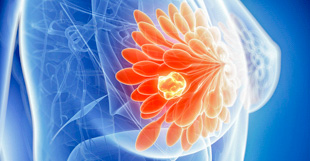
Breast cancer radiation with moving arc method
Allows avoiding side effects and unnecessary heart radiation

DOTATATE therapy
A new method of nuclear medicine. Radioactive isotopes settle on the tumor and irradiate only cancer cells with minimal impact on healthy tissues.
Photodynamic cancer diagnosis and therapy
Technology based on the ability of special substances to accumulate in the tumor and destroy cancer cells under laser radiation. In diagnostics, the method allows very precise tumor visualization, removal, and metastasis prevention

Deep hyperthermia combined with chemotherapy and nanoparticles
Delivery of chemotherapy using nanoparticles precisely to cancer cells and enhancing drug action by local tumor heating under MRI control. Treatment effectiveness increases by 40%.
Immunotherapy
Use of new drugs that "teach" the immune system to recognize and destroy cancer cells
Breast cancer radiation with moving arc method
Allows avoiding side effects and unnecessary heart radiation
DOTATATE therapy
A new method of nuclear medicine. Radioactive isotopes settle on the tumor and irradiate only cancer cells with minimal impact on healthy tissues.
Photodynamic cancer diagnosis and therapy
Technology based on the ability of special substances to accumulate in the tumor and destroy cancer cells under laser radiation. In diagnostics, the method allows very precise tumor visualization, removal, and metastasis prevention
Deep hyperthermia combined with chemotherapy and nanoparticles
Delivery of chemotherapy using nanoparticles precisely to cancer cells. And enhancing drug action by local tumor heating under MRI control. Treatment effectiveness increases by 40%.
Prices for treatment in Germany are always calculated individually for each patient. You can see approximate prices in the table. The final price is formed from several factors. The final amount is affected by:
The price for cancer treatment will be known before arriving at the medical center. The payment estimate is issued after agreeing on the date of the trip to Germany. Please note that interpreter services at the clinic are already included in the final price.
| Operation / procedure name | Treatment days | Clinic, DRG | Doctor's fee | Anesthesia | Room | Total |
|---|---|---|---|---|---|---|
| Rectal cancer treatment | 20 | 15 520 € | 4 800 € | 1 360 € | 1 520 € | 23 200 € |
| Stomach cancer treatment | 20 | 15 740 € | 5 700 € | 1 190 € | 1 520 € | 24 150 € |
| Lung cancer treatment | 12 | 11 898 € | 5 200 € | 1 490 € | 912 € | 19 500 € |
| Cervical cancer treatment | 10 | 10 250 € | 4 400 € | 1 340 € | 760 € | 16 750 € |
| Cervical cancer treatment with bladder metastases (chemotherapy and radiation) | 10 | 16 720 € | 3 800 € | - | 760 € | 21 280 € |
| Prostate cancer treatment | 14 | 11 184 € | 4 800 € | 952 € | 1 064 € | 18 000 € |
| Brachytherapy for prostate cancer | 4 | 13 506 € | 1 500 € | - | 304 € | 15 310 € |
| Thyroid cancer treatment | 10 | 7 926 € | 4 100 € | 864 € | 760 € | 13 650 € |
| Breast cancer treatment | 14 | 7 181 € | 5 300 € | 1 205 € | 1 064 € | 14 750 € |
| Chemotherapy for intestinal cancer (Folfox and Bavacizumab) | 1 course | 9 050 € | ||||
| Chemotherapy for stomach cancer (Cisplatin) | 1 course | 7 925 € |
* Medical interpreter services are already included in the cost of diagnostic programs.
Many clinics in Germany specialize in cancer treatment, but you don't need to spend your time searching for the best one. Read reviews about clinics, leave a request on our website, and we will contact you. Our company will select a clinic based on your medical history and preferences. We will provide assistance at any stage of treatment, from paperwork to obtaining discharge documents.
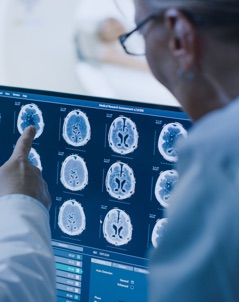
Munich oncology clinics can perform even the most highly specialized diagnostics for rare types of tumors.
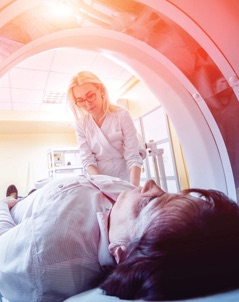
In the application of the latest medical achievements, German clinics significantly outpace leading European countries, Israel, and the USA.

Modern methods of genetic engineering, chemo- and biotherapy, molecular genetic therapy, next-generation radiation therapy, and more.

International experts: oncologists, surgeons, radiologists, radiosurgeons, radiation therapy and histology specialists.

Expert-class modern equipment: latest CT scanners and PET MRI systems, CyberKnife, new research developments.
Ability to use experimental drugs in treatment within existing protocols.
Munich oncology clinics can perform even the most highly specialized diagnostics for rare types of tumors.
In the application of the latest medical achievements, German clinics significantly outpace leading European countries, Israel, and the USA.
Modern methods of genetic engineering, chemo- and biotherapy, molecular genetic therapy, next-generation radiation therapy, and more.
International experts: oncologists, surgeons, radiologists, radiosurgeons, radiation therapy and histology specialists.
Expert-class modern equipment: latest CT scanners and PET MRI systems, CyberKnife, new research developments.
Ability to use experimental drugs in treatment within existing protocols.
Conducted
German oncology clinics offer the following services:
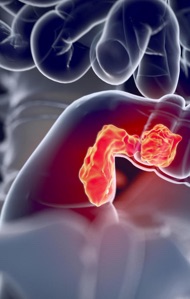
Purpose: confirmation of tumor presence. Selection of treatment according to German protocols.
More details
Purpose: treatment adjustment. Proposal of possible new therapy options.
More details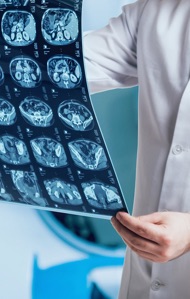
Purpose: confirmation of CT/PET-CT/MRI examination results.
More details
Purpose: preparation of a treatment plan taking into account complications and concomitant diseases.
More details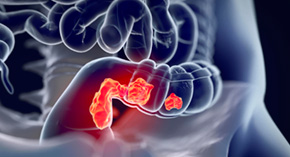
Purpose: confirmation of tumor presence. Selection of treatment according to German protocols.
More details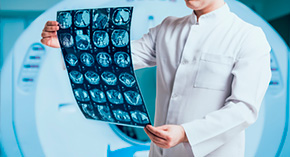
Purpose: treatment adjustment. Proposal of possible new therapy options.
More details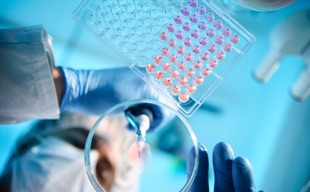
High-precision research methods

Comprehensive approach to treatment
New surgical techniques

Low complication rate

Treatment of complex cases
High therapy effectiveness
High-precision research methods
Comprehensive approach to treatment
New surgical techniques
Low complication rate
Treatment of complex cases
High therapy effectiveness



 +49 176 17917001
Or send us a message: