Organization of treatment and rehabilitation in Germany.
Complete medical support.
English English
+49 176 17917001 All departments

Intestinal Cancer Treatment in Germany

Intestinal Treatment

Intestinal cancer is caused by the mutation of cells that are part of the structure of the intestinal wall epithelium. The neoplasm can develop in any part of the intestinal tract, but most often affects the large intestine — the colon, sigmoid colon, and cecum. Of all oncological diseases, colorectal cancer ranks second in the number of fatal cases. The prognosis of the pathology largely depends on timely diagnosis — in the initial stage, the disease can be completely eliminated. German oncologists have achieved significant progress in the therapy of malignant tumors. Intestinal cancer treatment in Germany is carried out according to progressive world standards and is distinguished by high efficiency.

Symptoms of Intestinal Cancer

Medicine identifies several causes for the appearance of malignant neoplasms in the intestine. Among them:

  • hereditary predisposition;
  • presence of adenomatous polyps;
  • dietary habits — abuse of animal and protein foods with little fiber in dishes;
  • mutations associated with age-related changes;
  • chronic intestinal pathologies — Crohn's disease, Lynch syndrome, etc.

Since the disease has a hidden course and does not manifest itself with bright symptoms, oncological formations are most often detected during preventive examinations. With the increase of pathological changes, the first signs of intestinal damage appear:

  • Enterocolitic syndrome — retention of intestinal contents provokes fermentation, bloating, and chronic constipation, which periodically alternates with diarrhea.
  • Stenosing syndrome — occurs when the tumor blocks the lumen of the intestine and makes it difficult to pass stool. The condition is accompanied by acute cramping pain, bleeding from the anus, and changes in the character of stool — feces become ribbon-like or thin cylindrical.
  • Pseudo-inflammatory syndrome — observed against the background of general intoxication by stagnant fecal masses. The patient complains of general deterioration of well-being, painful urination, increased body temperature.
  • Dyspeptic syndrome — these are signs of digestive disorders that manifest themselves as nausea, vomiting, painful heartburn, and a feeling of bitterness in the mouth. The syndrome differs from food poisoning in that it is not relieved by appropriate medications.
intestine

If the tumor is localized in the rectum, the patient may complain of:

  • bloody, purulent, or mucous discharge from the anus;
  • false urges to defecate;
  • acute pain in the perineum and lower abdomen before and during defecation;
  • incontinence of intestinal gases and fecal masses.

Small intestine cancer is quite rare. Characteristic signs of the disease with this localization:

  • aversion to food;
  • dyspepsia — nausea, belching, heartburn;
  • dark-colored stool;
  • abdominal pain.

Diagnostic Methods

Diagnosis is indicated in the presence of suspicious symptoms — fresh blood or its clots in the stool, chronic stool disorders, abdominal pain. Preventive examination is also indicated for patients at risk — with genetic heredity and upon reaching 45 years of age.

examination

A whole series of methods is used to diagnose colorectal cancer:

  • Colonoscopy (including virtual with contrast enhancement) — an endoscopic method that allows examining the mucous membrane and taking tissue samples for biopsy.
  • X-ray studies — help assess anatomical changes in different parts of the intestine.
  • Rectosigmoidoscopy — endoscopic examination of the lower part of the intestinal tract.
  • CT and MRI — several scanning protocols allow complete or partial examination of certain areas of the intestinal tract.
  • Abdominal ultrasound — aimed at recognizing metastases, their localization, and size.
  • Tumor marker analysis — blood tests for the presence of specific proteins that are an indirect sign of the development of a malignant process.
  • Fecal occult blood test — helps detect bloody discharge in the intestinal contents.

Treatment of Oncopathology

treatment

With a confirmed diagnosis of "intestinal cancer," treatment in Germany will be aimed at a comprehensive solution to the problem.

  • Surgical intervention — mechanical excision of the tumor and metastatic foci. In Germany, gentle intervention methods are used — transanal microsurgery (TAMIS), total mesorectal excision (taTME), robotic rectal resection, extended hemicolectomy, etc. The advantage of operations of this class is minimal trauma and quick health recovery after the intervention.
  • Chemotherapy — aimed at destroying malignant cells that were not detected and removed during the operation. Adjuvant chemotherapy is indicated for patients at risk of oncopathology recurrence and single metastases to neighboring organs. To reduce the size of an existing cancerous tumor, neoadjuvant chemotherapy is indicated, after which the neoplasm is excised. For chemotherapy cycles in German centers, the modern generation of cytostatics according to the FOLFOX4 protocol is used, which allows achieving better results and treating the disease in late stages.
  • Radiation therapy — indicated to reduce the diameter and tumor mass, facilitate the upcoming operation, and reduce the likelihood of recurrences.

Therapy methods and their combinations are selected individually, special attention is paid to preventive measures that prevent metastases and disease recurrences. Good results are provided by the innovative method — hyperthermic intraperitoneal chemotherapy. It is performed in Germany in parallel with the cytoreduction operation and consists of introducing a heated chemotherapy drug into the abdominal cavity. It is left to "work" in the pathological zone for a certain time, after which the cavity is washed.

Cancer Treatment Cost

A comprehensive individual approach is used for the treatment of colorectal cancer in Germany, so there is no single price for all patients. The final price is calculated based on the compiled treatment program and includes payment for:

  • abdominal or transanal surgery;
  • chemotherapy with medications;
  • radiation therapy;
  • medications;
  • stay in the clinic hospital;
  • rehabilitation sessions (as indicated).
Service Name Price, € Additional
Intestinal cancer diagnosis 4800–5700 5 days, inpatient
Diagnosis with chemotherapy 3500–8300 3 days, outpatient
Colectomy 6700–9400 9 days, inpatient
Hemicolectomy 18300–26000 10 days, inpatient

To find out the approximate cost of therapy, contact our online consultants.

Clinics

Our company cooperates with leading German oncological clinics that work according to the latest European methodologies. The world leaders in this field are recognized as the oncology centers of Munich, which successfully treat cancer at any stage. Here, a full cycle of medical care is provided — from initial diagnosis and consultations to rehabilitation and complete recovery.

The company "Doktor München" is ready to offer you several treatment options for different budgets, taking into account your medical history and wishes. It remains only to choose a suitable program according to which you plan to be treated. We organize remote expert evaluation of cancer treatment by leading German doctors, if necessary, order verification of histological studies and obtain a second opinion on the diagnosis results. We take on tasks of translating documents and obtaining visas, provide assistance in concluding a contract with the clinic without intermediaries. Do not ignore dangerous symptoms — it is easiest to deal with oncology in the early stages!
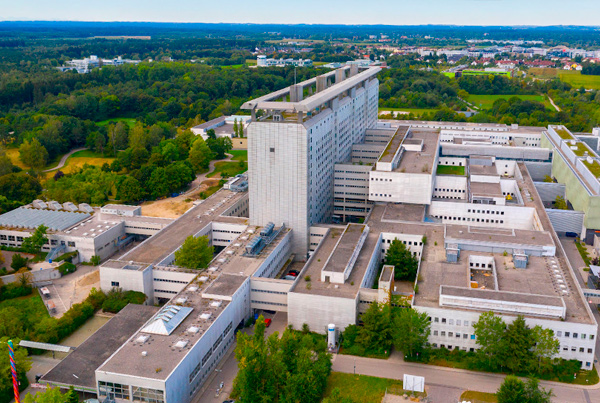
Ludwig Maximilian University Hospital Munich

9.7/10
📍Germany, Munich

29 specialized clinics, 12 specialized institutes, 50 interdisciplinary centers.

After Berlin's Charité, the Munich University Hospital with the Innenstadt and Großhadern campus is the largest maximum care medical complex in Germany.

Technical University Clinic "Rechts der Isar"

9.8/10
📍Germany, Munich

Department of Hematology and Oncology

The Department of Hematology and Oncology offers a full range of diagnostic and therapeutic services in these fields. The highly qualified team of doctors provides patients with effective treatment of all oncological diseases, blood and lymph pathologies (e.g., leukemia, multiple myeloma).

If Diagnosed with «Intestinal Cancer»

01
Prepare your medical documents for the diagnosis
02
Send a request through the website form
03
Receive an offer within 1 business day
04
Contract and payment invoice
05
Issue of medical visa for Germany
06
Diagnosis and treatment in Germany
07
Final documents for treatment billing
08
Treatment report in your language
Leave a request for treatment consultation

Нажимая на кнопку "Send request", вы даете согласие на обработку персональных данных

Cancer treatment in Germany means:
methods

High-precision research methods

treatment

Comprehensive approach to treatment

clinic equipment

New surgical techniques

without recurrences and complications

Low complication rate

most complex medical cases

Treatment of complex cases

therapy

High therapy effectiveness

Have questions? Free consultation
Call or write via Telegram / WhatsApp:
telegram +49 176 17917001 whatsapp

Or send us a message:

By clicking "Submit Application", you agree to the processing of personal data

Patient Relations Specialist Svetlana Malygina Your questions will be answered by Patient Relations Specialist Svetlana Malygina