Organization of treatment and rehabilitation in Germany.
Complete medical support.
Complete medical support.





+49 176 17917001
All departments

Prostate diseases are diagnosed, according to statistics, in every third man. A certain shyness prevents patients from seeking help from doctors when symptoms have just begun to appear and are mild. The result is an advanced pathological process, severe manifestation of symptoms and the need for long and complex treatment. Prostate diseases are characterized by a diverse, non-specific clinical picture, which can lead to diagnostic errors. To prevent this, prostate treatment should be carried out in Germany – the best specialists have not only extensive experience but also modern equipment to solve even complex problems.
Exact, unambiguous causes of pathological processes in prostate tissue cannot be named, but doctors are well aware of the provoking factors:
Most often, for the development of pathology in prostate tissue, several provoking factors must work simultaneously. This is due to the fact that the prostate has an optimal anatomical location – pathogenic bacteria and infectious agents must travel a considerable path to its tissues: through the bloodstream or lymph, urethra or rectum.
In Germany, when a patient is admitted for treatment, doctors first conduct a complete examination even if there are diagnostic results from other specialists. First, they listen to complaints and study the disease history. Then laboratory and instrumental examinations begin:
The most informative diagnostic method is digital rectal examination. Doctors in Germany have such experience that they can make accurate assumptions regarding the diagnosis based only on the shape, size and structure of the prostate. If there is suspicion of a malignant process in the organ cells, a biopsy (histological examination of a tumor tissue fragment) and a test to determine a specific tumor marker are ordered.

After diagnosing the disease, doctors begin to choose the direction of treatment. Specific prescriptions depend on several factors:
German doctors try to stop the pathological process with medications, but they know exactly the line when a man needs surgery. One of the advantages of prostate treatment in Germany is constant monitoring of the disease dynamics of each patient, which allows for quick changes in prescriptions.
Doctors treat prostate diseases using two methods – medication or surgical. In the first case, medications are prescribed:
Even early stages of prostate adenoma and cancer are initially treated conservatively, chemotherapy and radiation therapy are prescribed. But if drug therapy does not show positive dynamics, German specialists offer to apply surgical methods of treating prostate diseases. Usually performed:
Modern types of surgical treatment of prostate diseases include:
Treatment is prescribed individually and therefore it is impossible to say in advance what the doctors will choose – German specialists first examine the patient, then make attempts to conduct effective drug therapy (if the man's condition allows).
Surgical intervention is prescribed in the following cases:
Surgery is also indicated for complications of advanced prostatitis and detection of stones directly in prostate tissue.
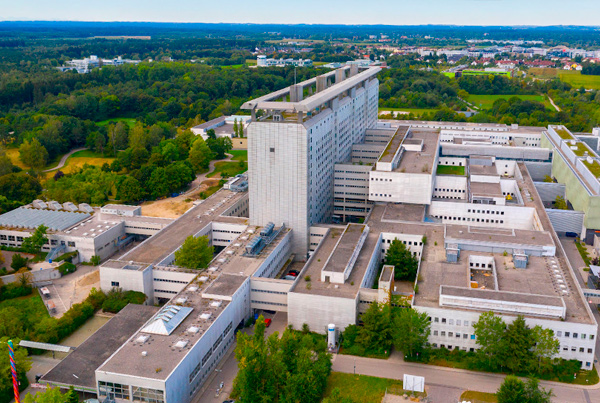
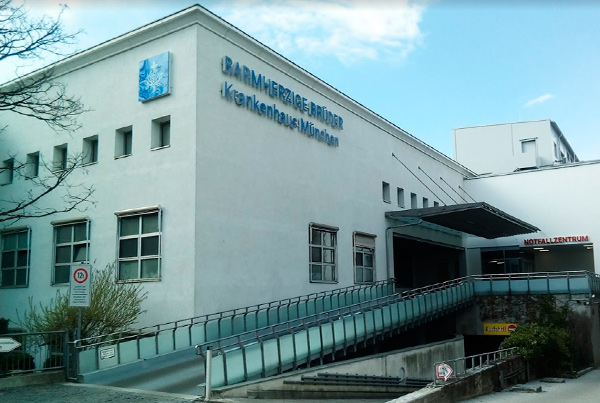
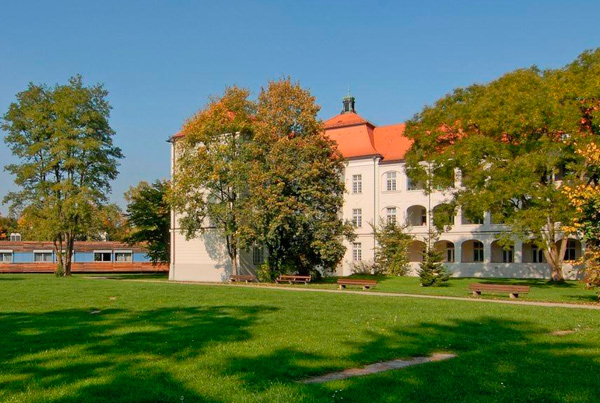
Which German clinics should be contacted regarding prostate disease treatment:
This is only a small part of specialized German clinics that deal with the treatment of prostate diseases and related conditions.
No clinic can name the exact cost of a treatment course, because first you will need to undergo an examination and receive prescriptions. Based on this, only an average indicator can be derived – 1900 – 18000 euros. Examinations are paid additionally – clarifying diagnostics will cost 750 euros, and biopsy together with tissue examination 3500 euros.
All prices for treatment in Germany.In Germany, great attention is paid to the rehabilitation period. After recovery, the patient goes home, but this does not mean that he can completely exclude visits to doctors – at least 2 times a year it will be necessary to undergo a control examination. This is especially important for those who have undergone treatment for cancer, adenoma or hyperplasia – relapses of these pathologies are very frequent, so it will be necessary to respond as quickly as possible and undergo a repeat course of therapy or another surgical intervention.
Timely and competent treatment of prostate diseases is recovery and prolongation of a man's life. Germany uses the most modern treatment methods and conducts in-depth diagnostic examinations. Doctors can give an initial consultation remotely, but more accurate information about the cost of treatment and the duration of the patient's stay in the clinic can only be obtained during a personal visit to the selected center.
 +49 176 17917001
Or send us a message: