Pancreatic cancer ranks sixth among oncological pathologies in adult patients. The insidiousness of the disease lies in its long asymptomatic course, and even with timely diagnosis, serious complications during treatment are not excluded. German oncologists successfully fight the consequences of pancreatic cell mutation. Modern diagnostic methods allow detecting pathology at an early stage, and innovative technologies and techniques help achieve long-term remission and even complete cure.
Symptoms of Pancreatic Cancer
The exact causes of pancreatic cell mutation are unknown. However, several risk factors that contribute to the appearance of malignant neoplasms are identified:
prolonged smoking;
alcohol abuse;
chronic pancreatitis;
diabetes mellitus;
obesity;
improper nutrition – consumption of large amounts of carbohydrates and animal fats;
hereditary predisposition;
age over 60 years.
Glandular cells lining the ducts of the internal organ are most often subject to mutations – in this case, it is called adenocarcinoma. The neoplasm can consist of cells that produce insulin or gastrin – such tumors are called insulinomas and gastrinomas, respectively. Depending on the stage of pancreatic damage, early and late signs of a developing tumor are distinguished.
When a tumor is suspected, German clinics use a comprehensive diagnostic approach that allows for an accurate diagnosis and treatment strategy. Modern diagnostic methods include:
Ultrasound examination – allows assessing the condition of abdominal organs, recognizing neoplasms and metastases.
Endosonography – an endoscopic examination during which a special probe with a camera and sound sensor is inserted into the duodenum. The technique helps create a complete picture of the pancreas condition.
Computed tomography – a highly informative technique for detecting small neoplasms that could not be recognized on ultrasound. The examination helps determine the exact location and size of the tumor, as well as its operability.
Positron emission tomography – the radionuclide method has even higher informativeness than CT. The examination allows detecting the problem even before it leads to visible anatomical changes.
Biopsy – histological examination of a sample of affected tissue to confirm its benign or malignant nature.
Blood test for CA 19-9 antigen – the protein is studied, the concentration of which increases in pancreatic diseases.
Cholangiopancreatography – an examination aimed at studying the condition of the glandular ducts.
Additional diagnostic methods may also include radiological and laboratory tests to create a more complete clinical picture.
Pancreatic Cancer Treatment Methods
Pancreatic cancer treatment in Germany is based on the principles of an individual approach. Methods and their combinations are selected depending on the degree of tissue damage and the presence of metastases.
Surgical intervention. Surgical removal of the tumor is performed according to several protocols depending on the location of the pathological focus. The Whipple operation allows removing the head of the gland and part of the neighboring organs, while simultaneously restoring the patency of the digestive tract. Distal pancreatectomy is indicated when the neoplasm is located in the body of the gland, and total pancreatectomy involves complete removal of the gland in case of extensive tissue damage.
Chemotherapy. German clinics use the latest generation cytostatics, which have high effectiveness with minimal side effects. At the same time, the attending physician prescribes supportive sessions that help tolerate chemotherapy more comfortably.
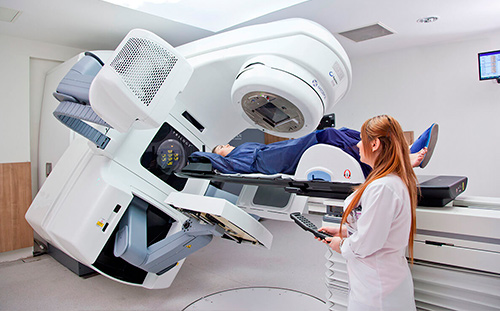
Radiotherapy. In stage III of the disease, stereotactic radiation therapy is indicated, when high doses of ionizing radiation are delivered to the target area in a small number of fractions. Thanks to specialized robotics, gamma rays act only on the tumor without affecting neighboring tissues.
Oncological centers in Germany actively implement modern methods such as:
Embolization of tumor vessels. The purpose of the procedure is to block the blood vessels feeding the tumor and simultaneously act on the focus with a cytostatic drug.
Targeted therapy. This is a drug technique aimed at specific proteins or enzymes characteristic only of cancer cells. Drugs of this class can purposefully inhibit the growth of malignant neoplasms.
Chemical neurolysis. Indicated for persistent relief of pain syndrome through destruction of the celiac nerve plexus.
Cost Calculation
Treatment of any type of oncological pathology in Germany is based on a comprehensive approach. Therefore, the final price will include several items:
cost of diagnostic measures;
price of the chosen therapy method (or complex of methods);
payment for pharmacological drugs;
hospital or outpatient stay;
rehabilitation measures.
Contact our consultants to receive several price offers and choose a suitable therapeutic program for your budget.
effective treatment of advanced and complicated oncological pathologies;
use of evidence-based medicine methods that have passed clinical trials and confirmed their effectiveness;
modern technologies and innovative equipment;
highly qualified oncologists;
high level of service and comfortable hospital stay conditions.
The German healthcare system is distinguished by high organization and is strictly controlled by government bodies. Therefore, everyone who is ready to invest in their health and is focused on a successful fight against a dangerous disease seeks treatment in Germany. Clinics in Bavaria have achieved good results in the therapy of benign and malignant tumors at any stage and are now considered world leaders in the field of oncology.
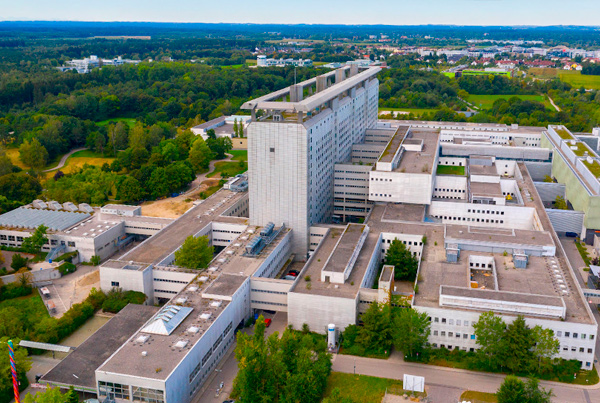
After Berlin's Charité, the Munich University Hospital with the Innenstadt and Großhadern campus is the largest maximum care medical complex in Germany.
The Department of Hematology and Oncology offers a full range of diagnostic and therapeutic services in these fields. The highly qualified team of doctors provides patients with effective treatment of all oncological diseases, blood and lymph pathologies (e.g., leukemia, multiple myeloma).
Doktor München has established close ties with German oncology centers and prepared the best offers for patients planning to receive treatment in Germany. We will free you from the long and laborious process of choosing a clinic, visa preparation and document translation. Our company provides a full range of services and accompanies each patient from the initial consultation to complete rehabilitation.
After treatment ends, within 10 days you receive the final invoice and copies of invoices from the clinic. The remaining amount is returned to the card within 3 days.
After treatment ends, within 10 days you receive the final invoice and copies of invoices from clinics. The remaining amount is returned to the card within 3 days.









 +49 176 17917001